
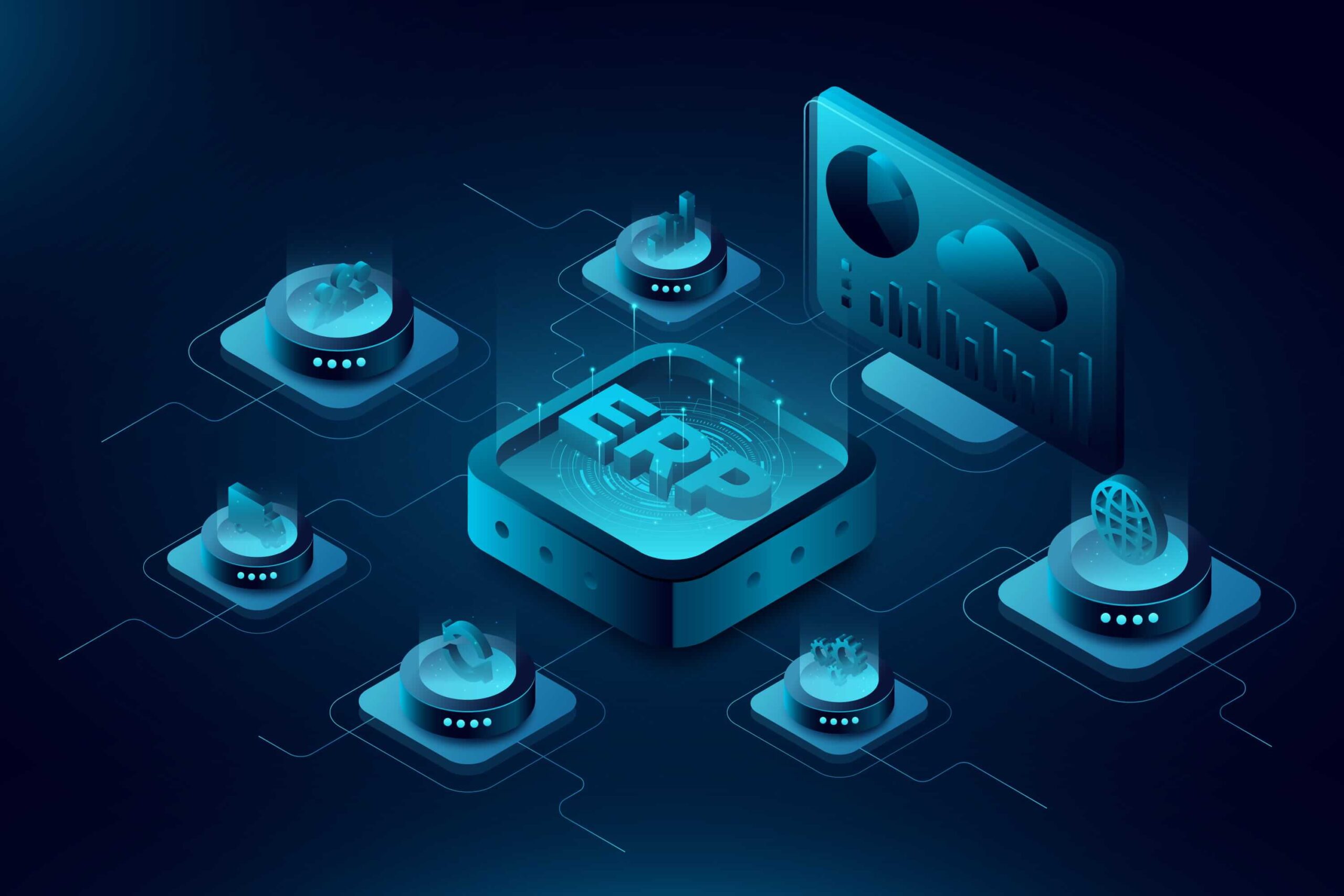
In an increasingly complex business environment, organizations require unified systems that provide visibility, control, and efficiency across operations. Enterprise Resource Planning (ERP) systems play a critical role in integrating core business functions, enabling data-driven decision-making and operational consistency. When implemented strategically, ERP becomes a foundation for scalability and long-term business growth.
ERP is a centralized platform that integrates key business processes such as finance, procurement, human resources, supply chain, and operations into a single system. By consolidating data and workflows, ERP eliminates information silos and improves accuracy, transparency, and process efficiency across the organization.
Modern ERP solutions offer:
These capabilities enable organizations to operate more effectively while maintaining control and compliance.
ERP implementations are not merely technology projects; they are business transformation initiatives. A well-aligned ERP system supports organizational objectives by streamlining operations, improving financial control, and enhancing collaboration across departments.
Key business benefits include:
Without proper planning and governance, ERP initiatives can face delays, cost overruns, and limited user adoption.
Successful ERP deployment requires a structured approach that aligns technology with business processes. This includes requirements assessment, system design, data migration, integration, testing, and user training. Post-implementation optimization is equally important to ensure the system continues to deliver value as business needs evolve.
Organizations should focus on:
A disciplined implementation approach reduces risk and maximizes return on investment.
We provide comprehensive ERP services that support organizations throughout the ERP lifecycle. Our expertise includes ERP selection, implementation, integration, customization, and ongoing support. We work closely with stakeholders to ensure ERP solutions are aligned with operational requirements, governance standards, and long-term business strategy.
Our approach emphasizes:
By combining technical expertise with a deep understanding of business processes, we help organizations realize the full value of their ERP investments.
ERP systems are essential for organizations seeking operational efficiency, transparency, and scalability. When implemented and managed strategically, ERP enables integrated operations and informed decision-making. With the right expertise and governance, ERP becomes a powerful enabler of sustainable business performance.